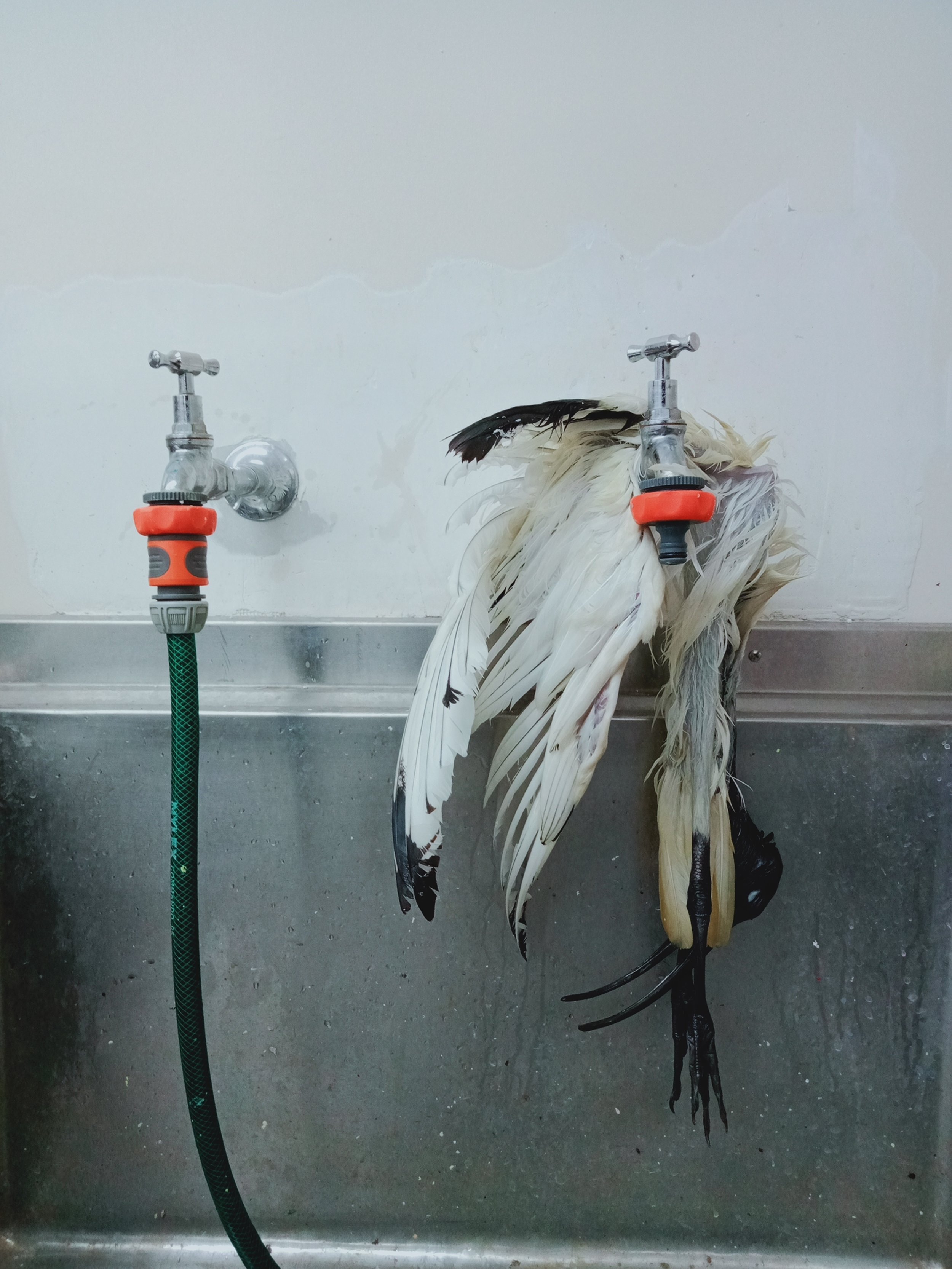
Private Commissions Request
Thoughtful preservation for memorials, field specimens, and community displays. I work with you to create meaningful, respectful pieces that honour your connection to the specimen.
I take on a limited number of private commissions each year to ensure every specimen receives the time and care it deserves.
If you have a specimen you’d like preserved, you can submit a request below. I’ll review your details and photos, provide a quote, and guide you through the next steps.
Current Wait Time: 6–8 weeks You’ll receive a personalised timeframe once your submission is reviewed.
-
For individuals who already have a legally obtained specimen (e.g., from a breeder, aviary, permitted source, or natural passing). Each project is tailored to your goals and the specimen’s condition.
-
For individuals, educators, and community members seeking preservation of legally obtained wildlife specimens.
-
For members of the public who have found a native animal affected by vehicle strike, secondary poisoning, or natural causes. I can assess viability and guide you through any DBCA requirements before preservation begins.
-
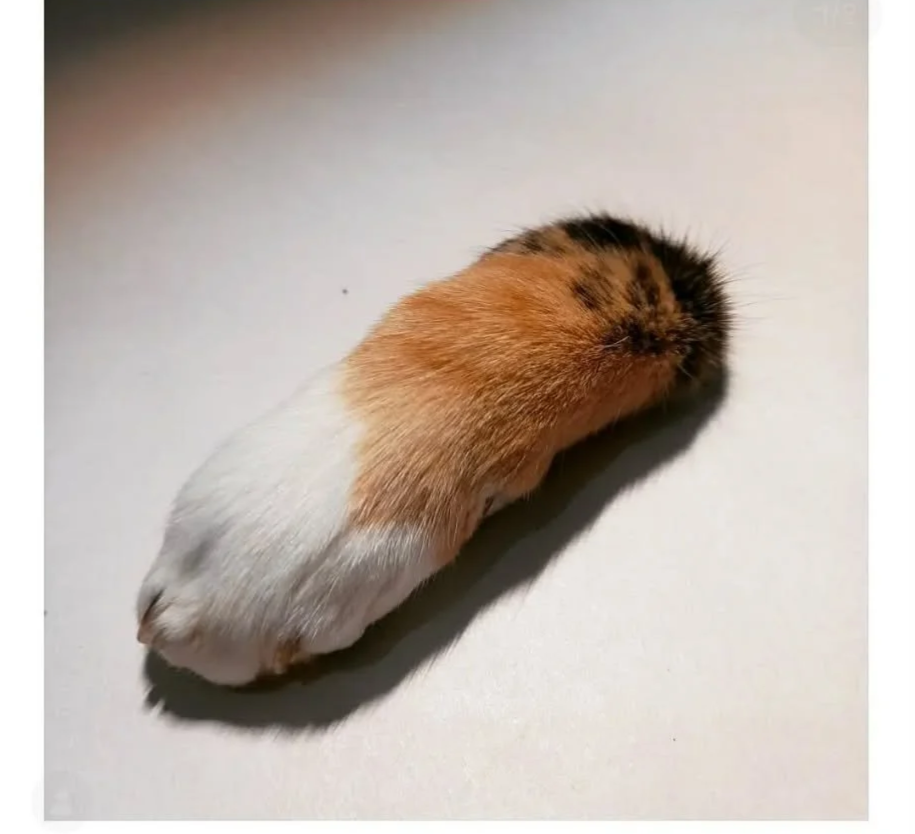
Keepsake-style preservation for beloved pets, including paws, whiskers, fur clippings, or small sculptural elements.
Full-body preservation is not a standard service but may be considered on a case-by-case basis. Gentle, emotionally sensitive communication is prioritised throughout the process. -
Processing of bones and skeletons for display, study, or memorial purposes.
Includes:
• Gentle cleaning
• Degreasing
• Whitening
• Articulation (optional)
• Safe handling of delicate or juvenile specimens Ideal for educational institutions, natural history displays, or clients seeking a non-taxidermy memorial option. -
Designed for councils, schools, galleries, and cultural organisations. Includes multi-specimen arrangements, interpretive labels, and tailored presentation for public engagement. I can also advise on ethical sourcing and educational framing.
-
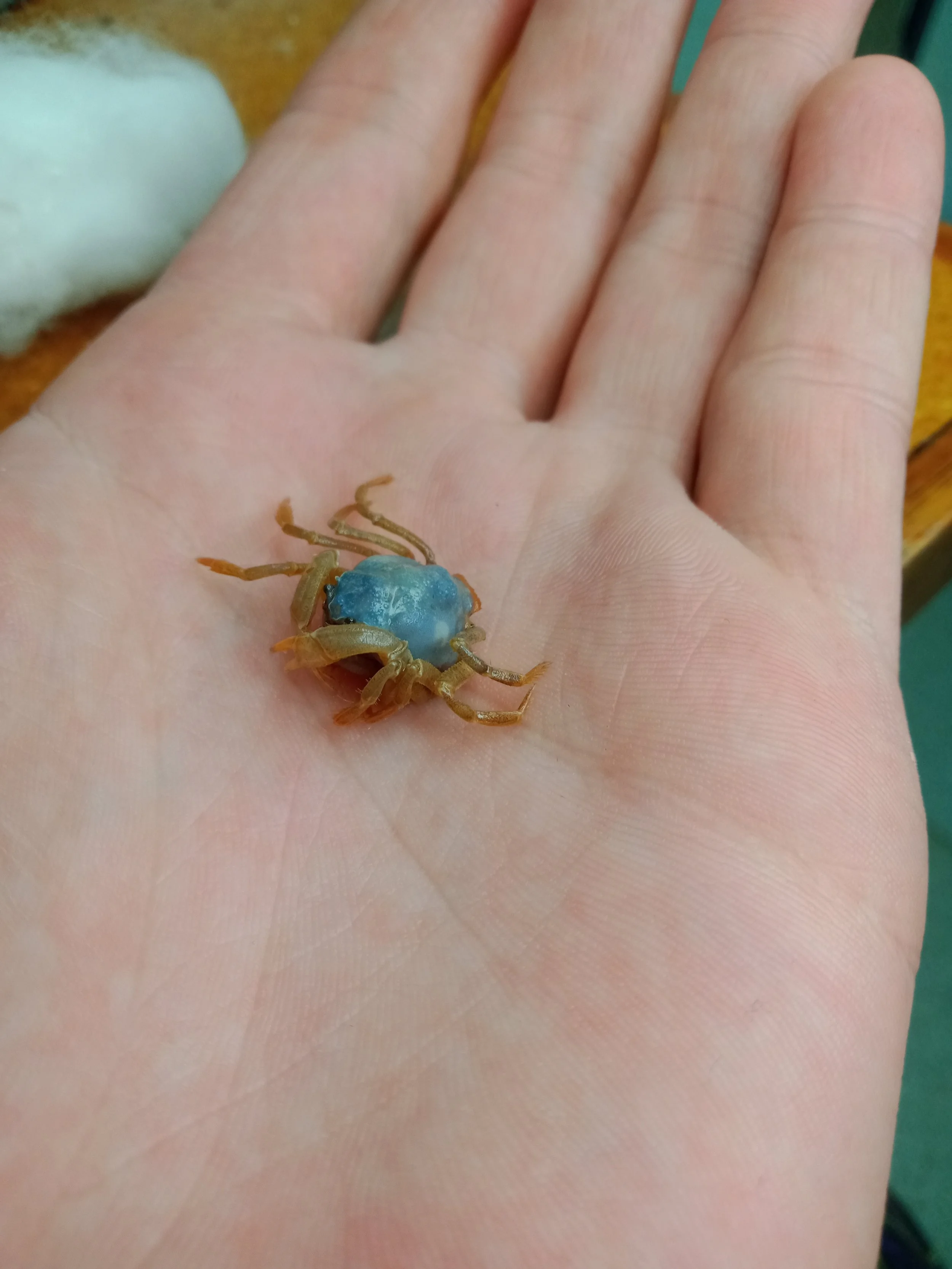
Preservation of fish, crayfish, crabs, and other aquatic species — often commissioned as personal display pieces, man cave items, or unique natural history accents.
Fragile parts such as antennae can be repaired if retained.
Crustaceans are processed differently from fish due to their exoskeleton. All internal meat is removed and the exoskeleton is cleaned and treated to ensure no organic material remains. This greatly reduces the risk of insect damage and removes the need for formaldehyde-based preservation.
Display options include naturalistic bases or clean, minimal mounts depending on your preferred style.
-
Long-term preservation of small animals, organs, or biological material in fluid-filled jars. Suitable for educational collections, scientific reference, or personal curiosity cabinets.
All work follows WA Museum conservation guidelines for safe handling, sealing, and long-term stability. Clients must ensure the specimen is legally permitted for preservation. -
Preservation services for local councils, state departments, environmental agencies, and mining companies. Suitable for display specimens, educational pieces, and archival mounts. All work follows WA Museum conservation and care standards.
-
Support for teachers and schools seeking preserved specimens for classroom use, science programs, or visual learning.
Guidance provided on species selection, viability, and ethical sourcing.
Wet specimens and skeletal material are also available for educational use. -
That’s completely fine — just submit your details and photos using the form below. I’ll review everything and help you choose the best path forward.
-
Repair, stabilisation, and gentle restoration of older taxidermy, family heirlooms, or historical pieces. Includes:
• Reattaching loose elements
• Repairing cracks or breaks
• Gentle cleaning
• Insect treatment
• Preparing items for safe display All work follows Museum conservation and care guidelines. -
For existing mounts or collections showing signs of insect activity (e.g., dermestids). Includes:
• Assessment
• Safe treatment
• Stabilisation
• Advice on long-term prevention Methods follow WA Museum’s Conservation and Care of Collections standards.
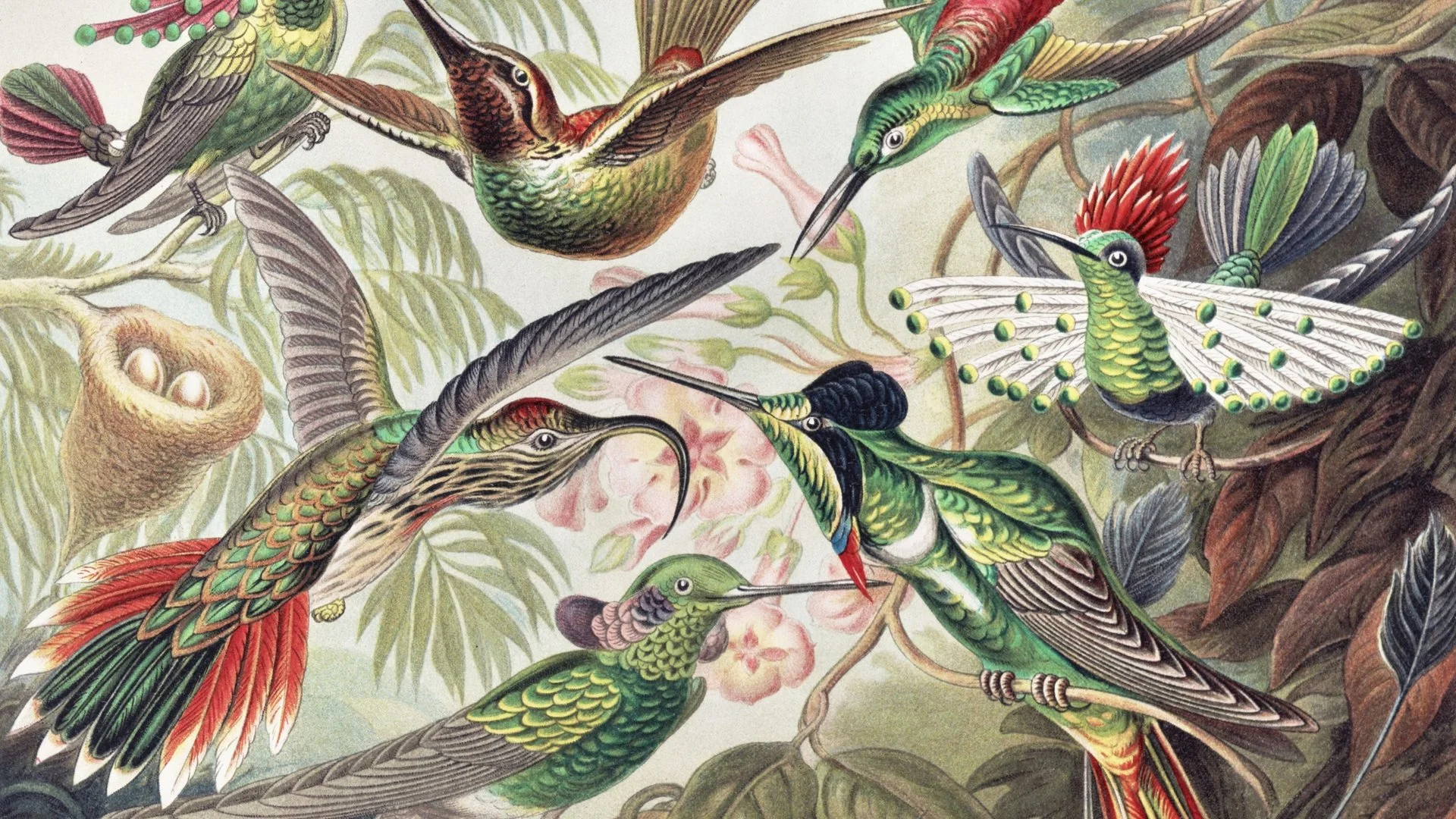
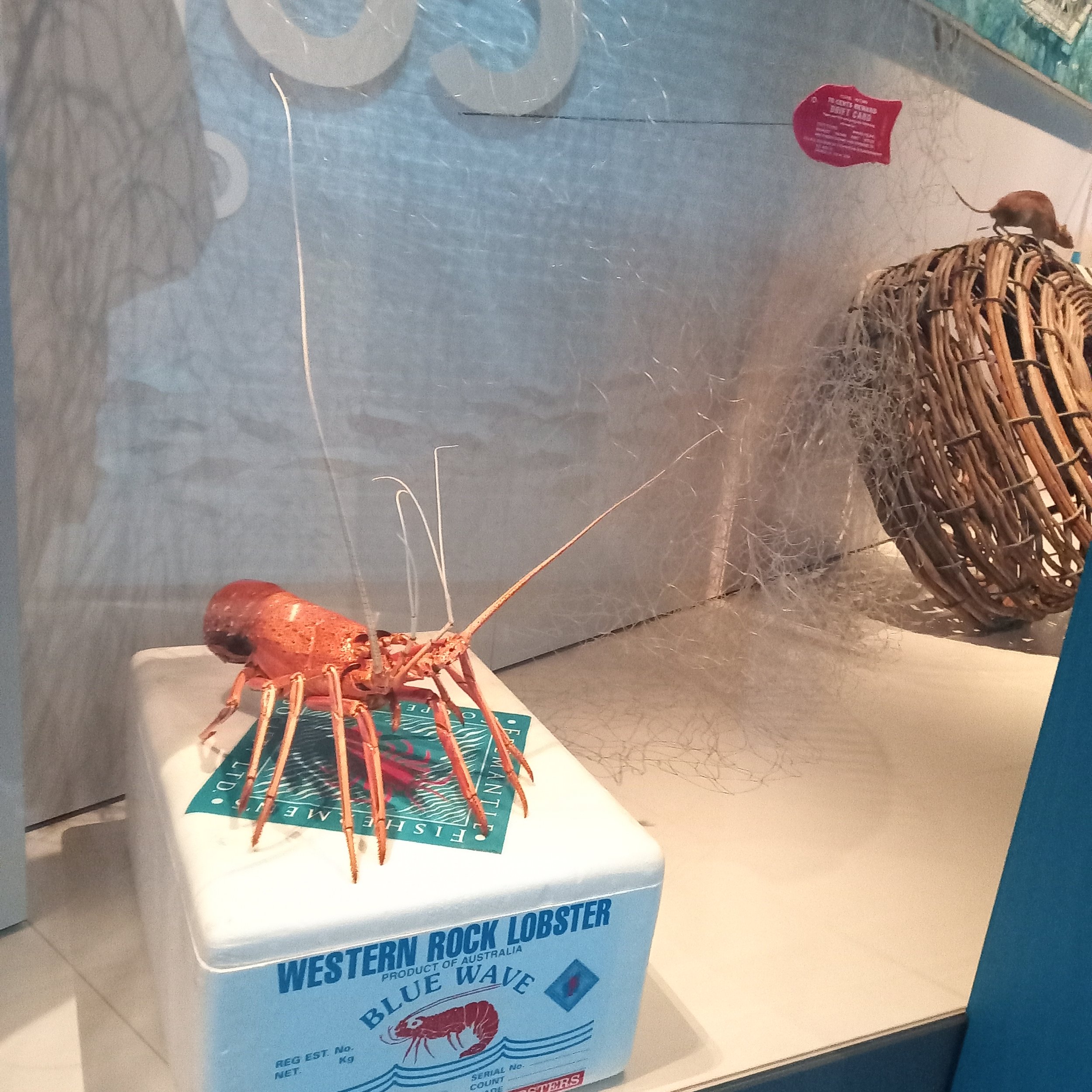
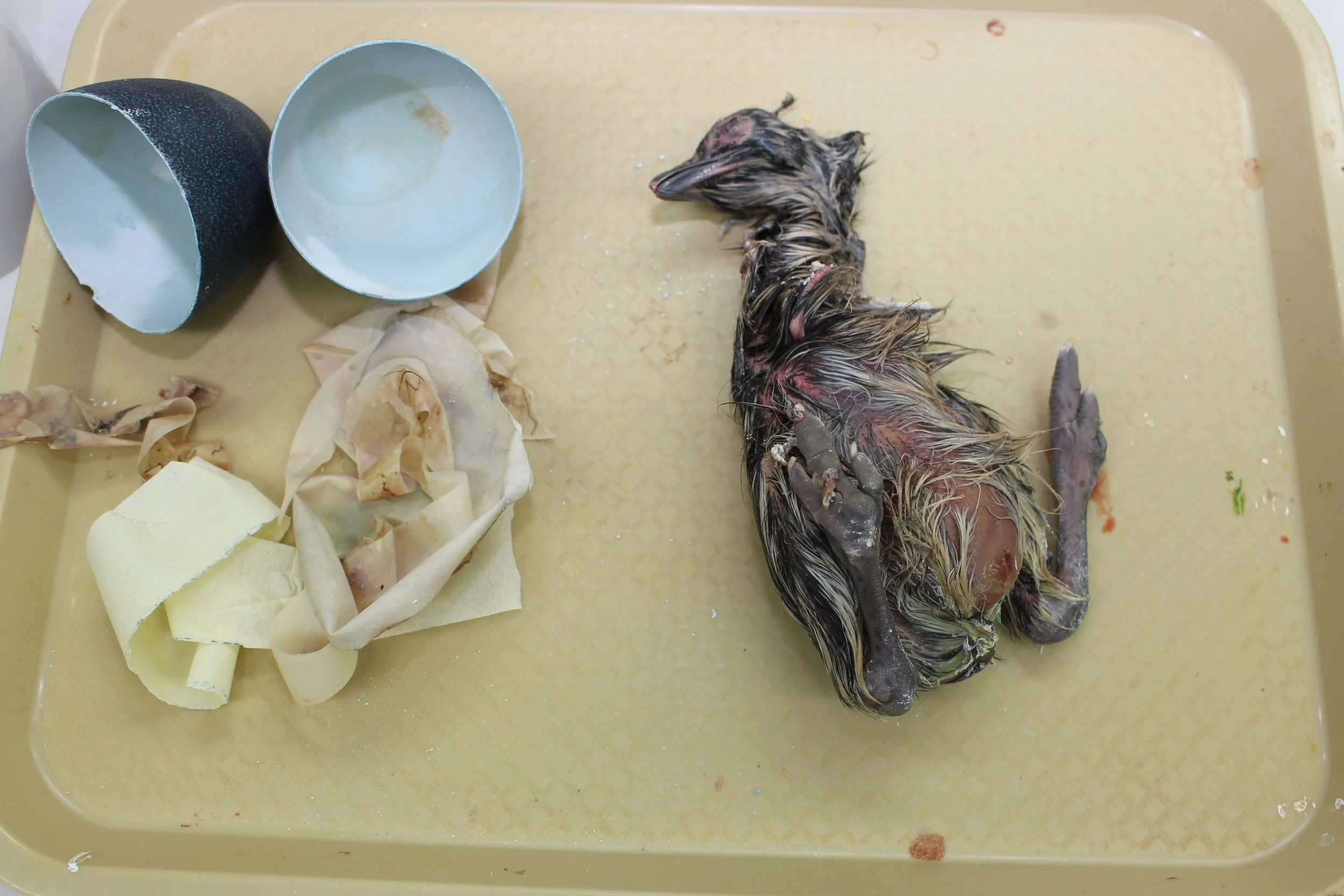
Examples of past commissions. Each piece is tailored to the specimen, story, and intended display.

-
Preparing your specimen carefully helps ensure the best possible outcome. If you’re unsure about any step, you’re welcome to submit your request first — I’ll review your details and guide you from there.
General Guidelines
• Keep the specimen cool and handle it as little as possible
• Freeze promptly in a sealed bag or container
• Avoid repositioning limbs, wings, tails, or antennae
• Do not remove fur, feathers, scales, or exoskeleton
• If a necropsy has been performed, keep incisions clean and covered
• For aquatic species, gently rinse off debris before freezing
• For fragile species (such as crustaceans), support delicate parts with soft tissue before freezing -
How to Prepare
• Freeze as soon as possible
• Avoid bending limbs or tail
• Place in a sealed bag with minimal air
• Do not wash or trim furEarly Signs of Decay
• Fur slipping or coming away easily • Softening around the lips, nose, or ears
• Strong odour
• Moisture around the mouth or eyes
• Insects present on or around the bodyViability Notes Mammals are often viable if frozen promptly. Minor fur slip can sometimes be managed, but widespread slip usually means the specimen is no longer suitable for full preservation. Keepsakes (paws, whiskers, fur clippings) may still be possible.
-
How to Prepare
• Tuck the head gently under a wing if possible
• Avoid crushing feathers
• Freeze in a natural, relaxed position
• Do not attempt to clean blood or dirtEarly Signs of Decay
• Feathers falling out with light handling
• Softening around the beak or eyes • A sour or “sweet” smell
• Wing joints becoming loose
• Fluids leaking from the beakViability Notes Birds decay quickly, especially in warm weather. Feather slip is the biggest concern — once it begins, it cannot be reversed.
-
How to Prepare
• Freeze flat with minimal curling
• Avoid stretching or repositioning
• Keep skin dry before freezingEarly Signs of Decay
• Skin becoming soft or wrinkled
• Discolouration around the mouth or vent
• Noticeable smell (reptiles normally have very little odour)
• Fluid buildup under the skin
• Cloudy or sunken eyesViability Notes Reptiles hold up better than birds or mammals, but once the skin softens or discolours, preservation becomes difficult. Freezing promptly is key.
-
How to Prepare
• Rinse lightly to remove slime and debris
• Freeze flat on a tray or plate before bagging
• Avoid bending the tail or finsEarly Signs of Decay
• Cloudy eyes
• Thick or milky slime layer
• Scales falling off with light touch
• Strong smell
• Softening of the bellyViability Notes Fish deteriorate extremely fast. Scale loss is the biggest issue — once scales slip, the specimen may only be suitable for cast‑based replicas rather than skin mounts.
-
How to Prepare
• Support antennae and legs with soft tissue or paper
• Freeze in a container to prevent breakage
• Keep the specimen dry before freezing
• Do not remove claws or legsEarly Signs of Decay
• Antennae or legs breaking off easily
• Softening of the shell
• Strong ammonia‑like smell
• Fluid leaking from joints
• Discolouration around the eyes or mouthpartsViability Notes Crustaceans are fragile even when fresh, and antennae or legs are often the first parts to detach. If the shell begins to soften, preservation becomes very difficult. Please retain any pieces that fall off — they can usually be repaired or reattached during the preservation process.
-
These indicators apply across all species:
• Strong odour
• Insect activity
• Visible mould
• Skin, feathers, or scales slipping
• Body very soft or collapsing
• More than 24–48 hours at room temperature
• Found outdoors after an unknown amount of timeIf any of these are present, the specimen may not be suitable for full preservation — but keepsakes or alternative approaches may still be possible.
If You’re Unsure You’re always welcome to submit photos through the form. I’ll assess the condition and let you know what’s possible. No fees apply if the specimen cannot be preserved.

Please complete the form below with as much detail as you can. Once you submit your request, I’ll review your details and photos, confirm viability, and provide a quote. You’ll receive a personalised timeframe and we’ll discuss pose, mounting, and any special considerations before work begins. If the specimen isn’t viable, I’ll let you know gently no fees apply if the project cannot proceed.
If you have questions before submitting, feel free to reach out through the Contact page.