
Workshop Releases, Products & Gift Cards
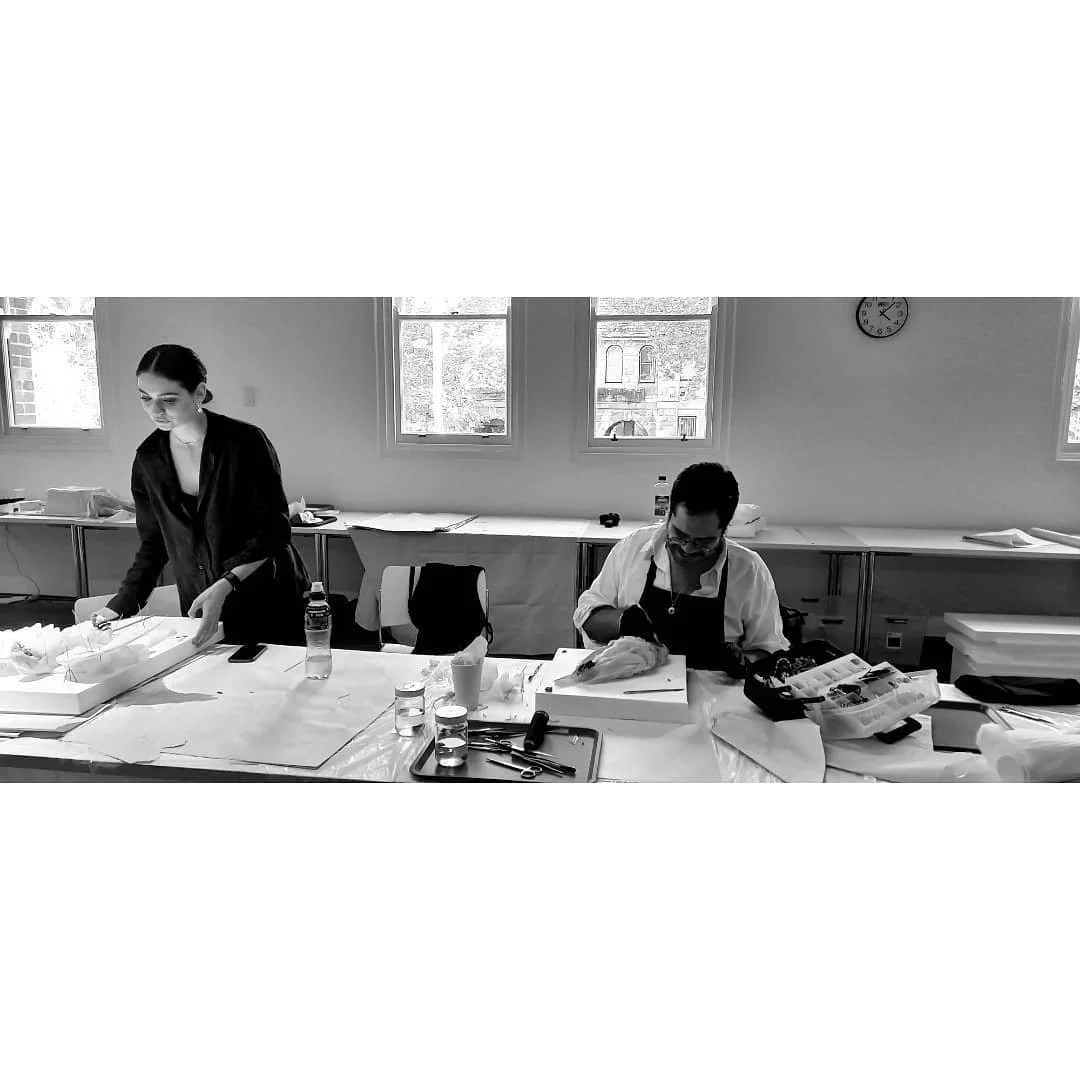
Preserving for the Future Partnerships with the UWA School of Design

Preserving for the Future is delighted to announce a new collaboration with the University of Western Australia’s School of Design. We gratefully acknowledge the in-kind support provided by the School of Design in making this partnership possible.
A limited number of discounted places are available exclusively to UWA students. To request a promotional code, please contact Teori Shannon at preservingforthefuture@gmail.com



-
Workshops are designed to be safe, respectful, and supportive learning environments for people of all experience levels. Because we work with biological materials, sharp tools, chemicals, and long hands‑on sessions, all participants are expected to follow the guidelines below. Some workshops are held at The University of Western Australia (UWA), as noted on the event page. Venue‑specific safety requirements may also apply.
-
Closed‑in shoes must be worn at all times
Long hair must be tied back
Gloves, aprons, and PPE will be provided when required
Follow all instructions when handling tools, chemicals, or specimens
Notify me immediately if you feel unwell, overwhelmed, or need a break
Photography is permitted only when it does not disrupt others or compromise safety
No Food or Drinks at your desk when processing.
All Spills must be reported
-
Workshops are primarily designed for adults (18+). However, participants under 18 may be considered on an individual basis if:
a parent or guardian provides written approval
the young person demonstrates maturity, focus, and attention to detail
they can safely participate in an adult learning environment
they can manage long, intensive workshop days
I hold a current Working With Children Check and police clearance, allowing me to safely supervise young participants when appropriate.
-
Behaviour & Respect
Treat all participants, specimens, and materials with respect
Maintain a calm, focused working environment
Be mindful that everyone learns at a different pace
Avoid disruptive behaviour or unsafe actions
Respect the emotional nature of working with animal specimens
-
Workshops are immersive and can be physically and mentally demanding. Please keep in mind:
results vary, especially for beginners
not every project turns out exactly as planned
mistakes are part of the learning process
you will gain skills, confidence, and a deeper understanding of the preservation process
you’ll be working alongside like‑minded people at all levels of experience
-
Specimens are handled using industry‑standard biological safety practices, including PPE, sanitation, and safe storage protocols used across Australian wildlife rehabilitation, museum preparation, and taxidermy studios.
All workspaces are disinfected before and after sessions, and additional sanitation steps are taken when working with fluids, tissues, or organic material.
Participants are required to follow all hygiene and disposal instructions, including hand‑washing, PPE use, and safe handling of tools and specimens.
Anyone with allergies, respiratory sensitivities, or medical concerns should notify me before attending so I can ensure the environment is safe and comfortable.
These practices help maintain a safe, respectful, and legally compliant environment for everyone participating.
-
Workshops may occasionally need to be rescheduled or cancelled due to low enrolment numbers, specimen failure, venue issues, or circumstances outside my control. If this happens, you will be offered alternative solutions to ensure the best possible outcome. Options may include:
transferring to a future workshop
receiving a credit of equal value
upgrading to another class at the client’s expense
receiving a full refund if no suitable alternative is available
Your safety, learning experience, and the quality of the workshop are always my priority.
-
Some workshops may involve species or materials associated with rare but serious zoonotic pathogens, including Australian bat lyssavirus (ABLV) and Hendra virus. While these viruses do not survive long outside a living host and lose viability rapidly in warm, dry, or decomposing conditions, strict biological‑handling protocols are followed at all times.
All participants work under controlled conditions using appropriate PPE, safe‑handling techniques, and clear hygiene procedures. These measures minimise risk and ensure a safe, respectful learning environment for everyone involved.
If you have concerns about zoonotic exposure, allergies, or medical conditions, please let me know before attending so I can support you appropriately.
-
Workshops involving megabats (flying foxes and fruit bats) follow enhanced biological‑handling procedures due to their association with rare but serious zoonotic pathogens such as Australian bat lyssavirus (ABLV) and Hendra virus in living animals. While these viruses do not survive long outside a host and lose viability rapidly as decomposition progresses, additional precautions are taken for participant safety.
All megabat specimens used in workshops have been:
stored frozen, and
defrosted in 70% ethanol, a standard practice that reduces microbial load and further decreases the viability of environmental pathogens.
This process, combined with controlled handling conditions, significantly reduces risk while maintaining specimen integrity for educational use.
During workshops, participants must:
wear gloves, aprons, and eye protection at all times
avoid contact with mucous membranes, fresh fluids, or aerosols
work only with specimens that have been safely stabilised and assessed for suitability
follow all instructions for tool use, dissection, and disposal
report any cuts, scratches, or accidental exposures immediately
These protocols reflect the biological‑handling practices used across Australian wildlife rehabilitation centres, museum preparation labs, and professional taxidermy studios.